

How to Grade Comic Book Condition Accurately
Last Updated: November 17, 2026
Quick Summary
To grade comic book condition accurately, inspect the same six things in the same order every time: cover surface, spine, corners, edges, interior pages, and staples and binding. Work through all six before assigning a number, because grading one defect at a time leads to overgrading. When unsure between two grades, assign the lower one.
- Use cotton or nitrile gloves, a low-angled desk lamp, a loupe, and a clean white mat for every inspection.
- The ten-point scale runs from 10.0 Gem Mint down to 0.5 Poor, with seven basic bands for everyday use.
- A single color-breaking crease on the cover can drop a book a full grade or more.
- Brittle, brown pages cap the grade around 5.0-6.0 no matter how clean the cover looks.
- Grade the worst defect first, compare against a known reference copy, and write down every defect before picking a number.
Table of Contents
- How to Grade Comic Books Yourself: A Repeatable Inspection Workflow
- The Comic Grading Scale with Pictures: From Gem Mint to Poor
- Comic Book Defects That Affect Grade: What to Look For
- How to Grade Comic Books Yourself Without Overgrading
- CGC Grading Cost and When Professional Grading Pays Off
- Restoration, Repairs, and Defects That Are Hard to Detect
- Check the Photos Before You Buy a High-Grade Key Issue
- Frequently Asked Questions
How to Grade Comic Books Yourself: A Repeatable Inspection Workflow
Grading comic book condition accurately starts with a repeatable process, not a gut feeling. Consistency beats confidence in comic grading. A book graded twice on two different days should land on the same number both times.
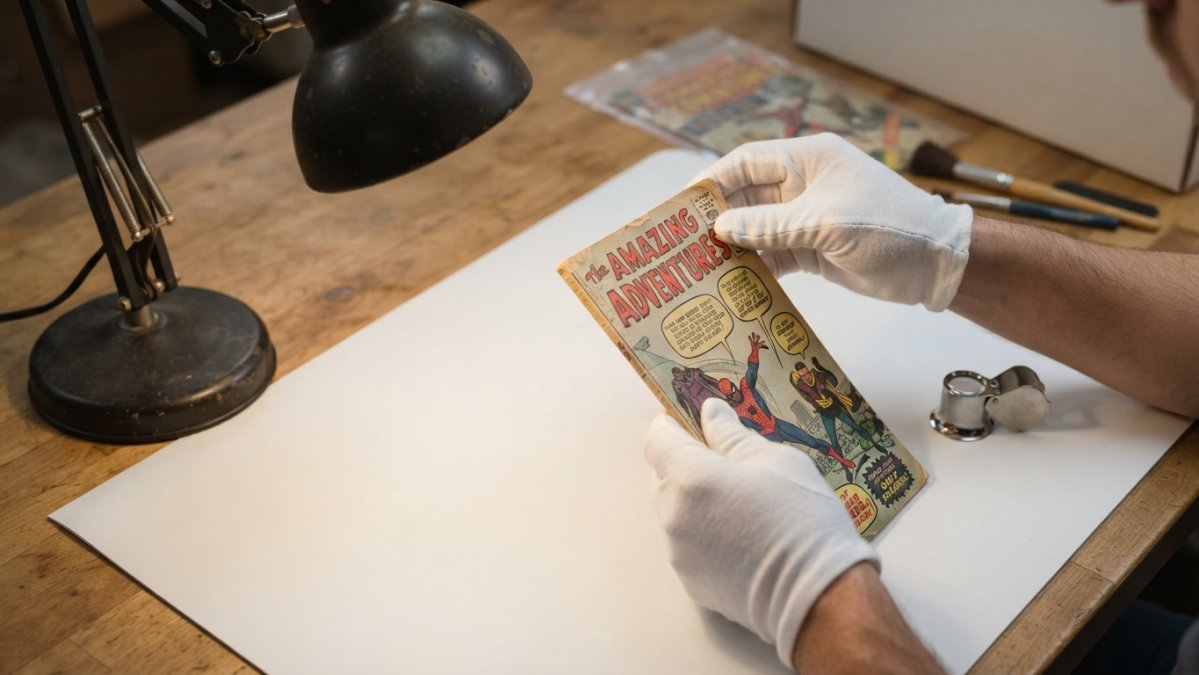
Tools for Safe Handling and Inspection
You need very little, but you need it every time:
- Cotton or nitrile gloves to keep skin oils off the cover
- A bright, adjustable desk lamp angled low to catch surface wear
- A magnifying glass or loupe for fine creases and color breaks
Skip the gloves and you will leave fingerprints that show up years later. That is a real defect, and graders do not forgive it.
The Six-Pass Inspection Sequence
Check the same six things in the same order every time:
- Cover surface under raking light
- Spine for stress lines and roll
- Corners for blunting and creasing
- Edges for nicks and tears
- Interior pages for color, quality, and tears
- Staples and binding for rust, pull-through, and looseness
Work through all six before you assign a number. Grading one defect at a time leads to overgrading, because each flaw looks small in isolation.
The Comic Grading Scale with Pictures: From Gem Mint to Poor
The standard comic grading scale runs from 10.0 down to 0.5. Most collectors use seven basic bands for everyday buying and selling, then apply the finer ten-point scale when precision matters. The bands matter less than the mapping between a specific defect and a specific number, so treat the table below as a starting frame and the defect-to-grade notes as the working tool.
| Grade Band | Numeric Range | What It Looks Like |
|---|---|---|
| Gem Mint | 10.0 | Flawless, as printed |
| Mint | 9.9 | Nearly flawless, one tiny flaw |
| Near Mint | 9.0-9.8 | Sharp, minor handling only |
| Very Fine | 7.0-8.5 | Light wear, still glossy |
| Fine | 5.5-6.5 | Moderate wear, some creasing |
| Very Good | 3.5-5.0 | Heavy read wear, still complete |
| Good to Poor | 0.5-3.0 | Major damage, may be incomplete |
Numeric Range
Reading the Ten-Point Scale and Its Seven Basic Bands
Gem Mint means no evidence of manufacturing or handling defects, per the CGC grading scale. Near Mint allows only the smallest handling marks. Very Fine shows light wear but keeps strong color and gloss.
Fine is where real read wear appears: small creases, some spine stress, softened corners. Very Good books are complete but clearly handled. Good and Poor cover heavy damage, missing pieces, and split covers.
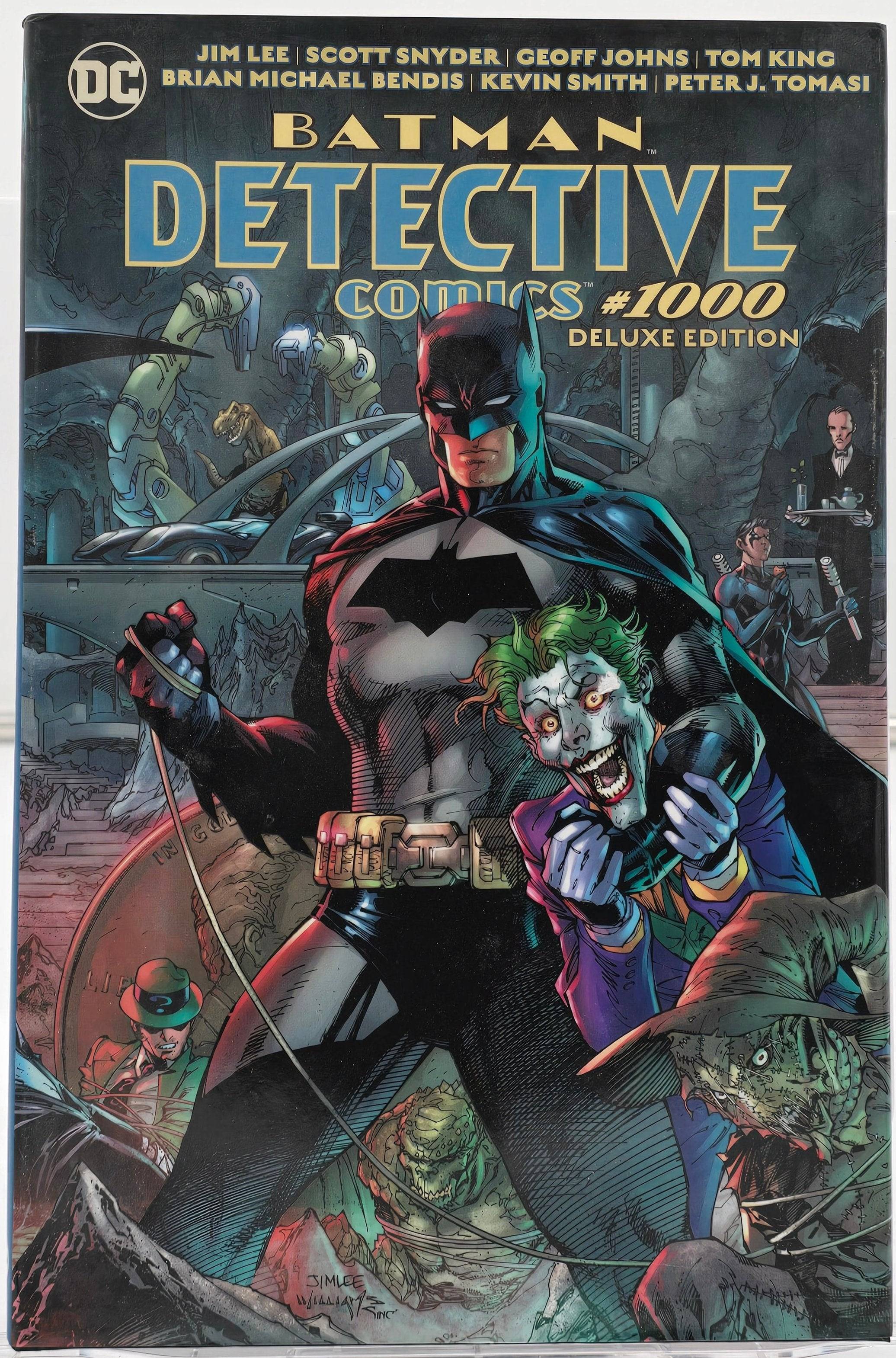
A deluxe hardcover edition, for example, shows what a high-grade collectible format looks like next to the ten-point bands. You can see the Detective Comics 1000 Deluxe Edition HC as a reference point for that comparison.
Mapping Specific Defects to Numeric Grades
The harder skill is deciding whether a given defect puts a book at 9.4 or 8.5. These defect-to-grade notes reflect how most experienced graders treat common flaws on a modern or Silver Age book with otherwise clean structure.
- One non-color-breaking crease under one inch on the back cover, no other wear: typically lands in the 8.5-9.0 range. The book is still collectible but no longer Near Mint.
- One color-breaking crease on the front cover, under one inch, with light spine stress: typically 7.0-7.5. The color break is the deciding factor, not the size.
- Multiple color-breaking creases plus blunted corners and spine stress lines: typically 5.5-6.5. This is the Fine band, and it is where most raw reader copies sit.
Watch out: these anchors assume the rest of the book is clean. A single 8.5-level crease on a book that already has spine stress and blunted corners does not average to 8.0; the defects compound and the book usually lands a full grade lower than the worst single defect would suggest.
Why the Same Defect Can Produce Different Grades
Two books with the same size crease can grade a full point apart. Location matters: a crease on the back cover is treated more leniently than the same crease on the front, and one crossing the logo or a character's face is treated more harshly than one in a blank area. Visibility matters: a color break showing white against dark ink is more obvious than one in a light area.
This is why a grade is an estimate, not a measurement. Two experienced graders looking at the same book can disagree by half a point, and that disagreement is normal. When you grade your own book, write the defect list first, then pick the number that the defect list supports. If you find yourself picking the number first and justifying it afterward, you are overgrading.
Comic Book Defects That Affect Grade: What to Look For
Comic book defects that affect grade fall into two groups: structural wear and surface damage. Structural wear covers the spine, corners, edges, and pages. Surface damage covers creases, tears, color breaks, stains, and missing pieces.
Both groups pull a grade down. The size and location of the defect decide how far.
Spine, Corners, Edges, and Page Quality
The spine is the first thing a grader checks. Look for:
- Spine stress lines where the book was opened
- Spine roll where the cover shifts off center
- Corner wear from storage and handling
Page quality matters more than most sellers admit. Cream pages on a Silver Age book are normal. Brittle, brown pages cap the grade no matter how clean the cover looks.
Creases, Tears, Color Breaks, Stains, and Missing Pieces
A color break is a crease that cracks the ink and shows white underneath. It is one of the most costly defects on a key issue, because it cannot be pressed out.
Watch for these:
- Non-color-breaking creases, which are less severe
- Tears at the cover edge or along the spine
- Water damage and tide lines from moisture
A single color-breaking crease on the cover can drop a book a full grade or more. Two of them and the book leaves the high-grade range entirely.
How to Grade Comic Books Yourself Without Overgrading
Overgrading is the most common mistake in self-grading, and it costs money on both sides of a sale. The fix is to grade conservatively and document why.
When you are unsure between two grades, assign the lower one. A buyer who receives a better book than promised is happy. A buyer who receives worse is a refund and a lost customer.
Luna-Tech Comics offers complete refunds if a customer is not happy with a book.
Three habits keep you honest:
- Grade the worst defect first, then see if the rest of the book earns the grade back
- Compare against a known reference copy, not memory
- Write down every defect before you pick a number
CGC Grading Cost and When Professional Grading Pays Off
CGC grading cost is real money per book, and it does not make sense for every comic. Professional grading pays off when the book is a key issue, when the value gap between raw and slabbed is wide, and when you plan to sell.
Skip professional grading when:
- The book is a common reader copy
- The raw value is low relative to the grading fee and shipping
- The book has restoration or trimming that will get a qualified label anyway
A CGC 8.0 graded book shows what a mid-grade professional label looks like in hand. You can see a Detective Comics 0577 CGC 8.0 as a reference for that grade band.
Restoration, Repairs, and Defects That Are Hard to Detect
Restoration is any repair done to improve a book's appearance: color touch, piece replacement, trimming, pressing, and cleaning. Some of it is easy to spot; some is not, and the hard-to-detect work is where accurate grading breaks down. A book that looks like a 9.0 but carries undisclosed restoration is not a 9.0 in the market, and a professional grader will assign a qualified label rather than a universal numeric grade.
The Restoration Checklist
Work through this list on any book that looks better than its age suggests. Each item is a specific inspection, not a general caution.
- Trimming: measure the book against a known unrestored copy of the same issue, or against the standard trim size for the era. A trimmed book is shorter on one or more edges, often by one-sixteenth to one-eighth of an inch. Measure all four edges; trimming is frequently done on the top and right edges only.
- Color touch: examine the cover under ultraviolet light. Original ink and most color touch fluoresce differently, and touched areas often appear flat or dull under UV. Also look for color that does not match the printing dot pattern under magnification; touch-up is usually applied with a brush or marker and lacks the halftone dots of the original print.
- Piece replacement: look for a seam or color mismatch where a corner or edge piece was grafted in. Under raking light, a replaced piece often sits slightly proud of or below the surrounding cover, and the paper grain may run in a different direction.
Watch out: a single sign is not proof. Trimming, pressing, and cleaning are often done together, and a book that has been pressed and cleaned may show no single obvious flaw. Treat two or more soft signs on the same book as a reason to seek a second opinion before you assign a high grade.
How Restoration Changes the Grade and the Label
A restored book is not graded on the same scale as an unrestored one. Professional grading services assign a qualified label stating the type and extent of restoration, and the numeric grade reflects the restoration rather than the book's appearance.
This is why the raw-versus-slabbed value gap widens sharply for restored books. A restored key issue can sell for a fraction of an unrestored copy in the same visual condition, and buyers who do not detect the restoration overpay.
When to Stop and Get a Second Opinion
Self-grading is reliable for common, mid-grade books where the defects are obvious. You can see a Detective Comics 1027 Jim Lee Variant Cover CGC SS 9.6 as an example of that documentation.
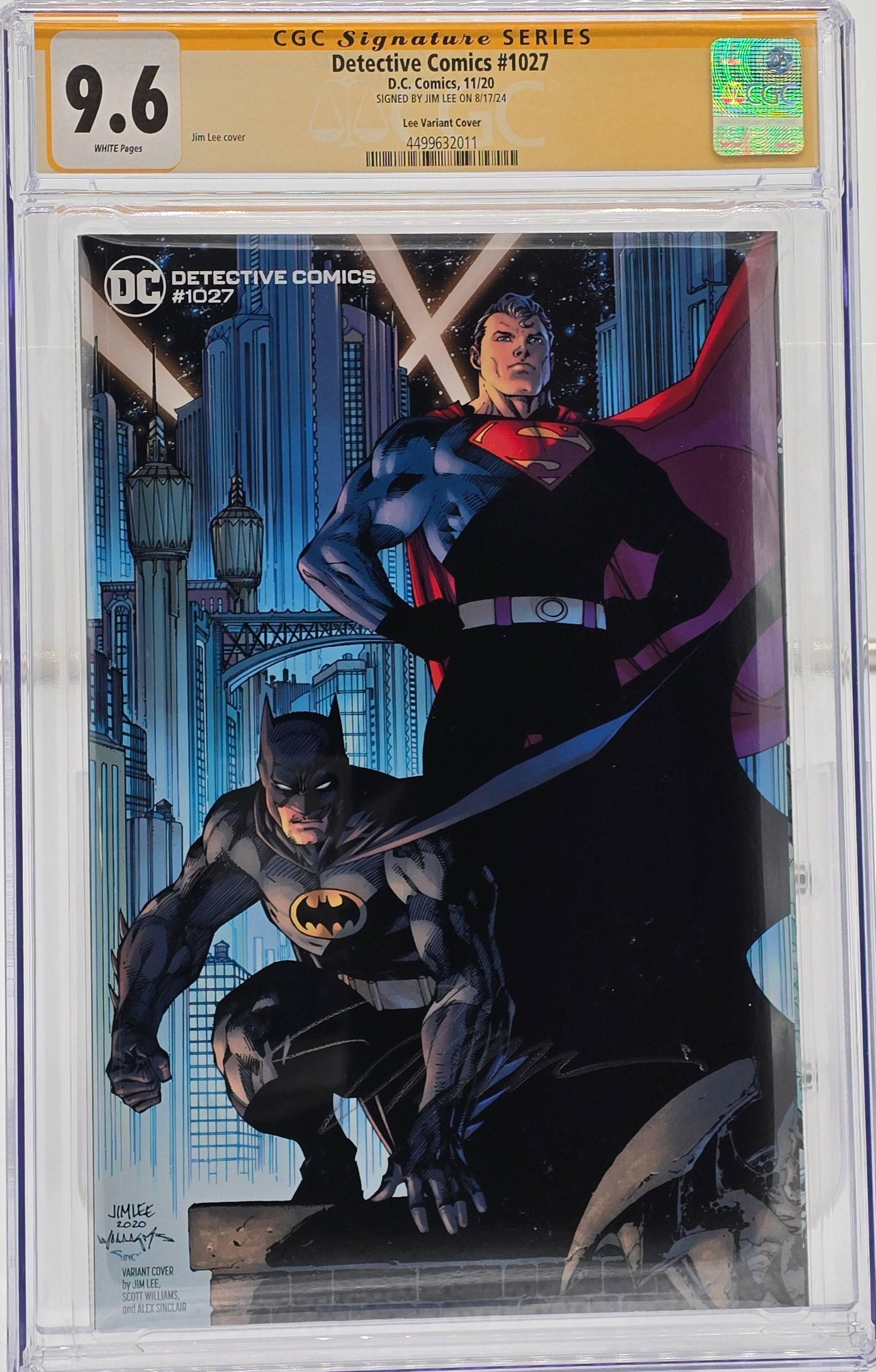
If you are not ready to submit the book, compare it side by side with a known unrestored copy of the same issue and photograph the suspect areas under raking light and UV.
Check the Photos Before You Buy a High-Grade Key Issue
Photos decide the sale on a high-grade key issue.
At Luna-Tech Comics, we take care in how books are shipped. Our owner has been reading comics for over 50 years.
Start with a Detective Comics 1067 CGC 9.6 to see detailed photos of a high-grade book and compare them against the grading criteria above.
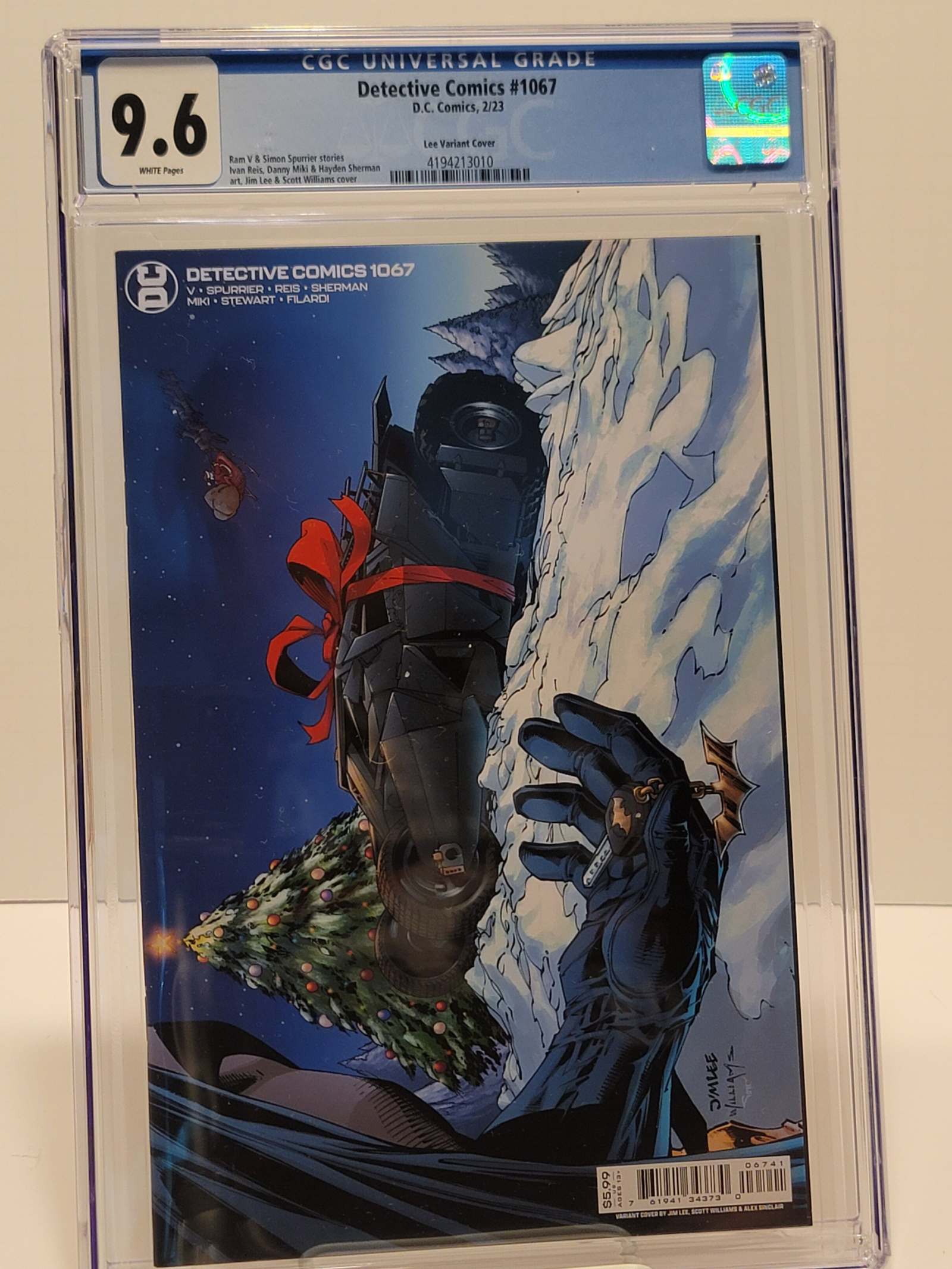
Grading accuracy comes down to process, not opinion.
Frequently Asked Questions
Can you grade comic books yourself accurately?
Yes, for most buying and selling decisions. A repeatable workflow with good light, white gloves, and a magnifying glass gets you close on mid-grade books. Accurate ten-point grading takes more experience than the seven-category basic scale, and grading is widely treated as subjective. Grade conservatively, note every defect, and treat your number as a range rather than a precise score. For high-value keys, compare your assessment to a professional grade before you price the book.
What is the difference between a VF and an NM comic?
Near Mint sits at 9.2 to 9.8 on the ten-point scale and looks close to how it left the printer: sharp corners, tight staples, flat cover, and clean interior pages. Very Fine runs about 8.0 to 9.0 and shows minor wear, such as light spine stress or a small corner blunting, without breaking color. The practical test is whether wear has broken the cover's color. A color break drops a book out of Near Mint quickly.
Is CGC grading worth the cost for every comic?
No. Professional grading is expensive, and most comics in most conditions are not worth the cost of having them graded, . Reserve it for key issues and high-grade copies where the certified grade and holder add more value than the fee. For mid-grade reader copies, self-grading plus clear photos and an honest defect list serves buyers better than a slab.
What should I check when grading a comic book?
Work through the whole book, not just the cover. Check spine stress and spine roll, corner wear, edge wear, creases and color breaks, tears and missing pieces, stains and water damage, staple condition and centering, cover gloss, and interior page color and suppleness. Also look for restoration such as trimmed edges, color touch, or glued tears. Check pictures at the highest resolution before paying for a high-grade Silver Age key issue, and ask the seller for more pictures when the ones provided are not enough.
